Horse Fly Control Checklist
- Clean stalls daily: Remove manure and wet bedding to reduce fly breeding sites.
- Manage manure piles: Store manure away from stables, cover it, or compost it properly to prevent fly breeding.
- Ensure proper drainage: Eliminate standing water in pastures or around barns to reduce breeding grounds for flies.
- Use fans in stables: Install fans to create airflow, as flies prefer still air.
- Install screens or mesh: Use fine mesh on windows and doors to block flies from entering the stable.
- Maintain pastures: Mow grass and remove weeds to reduce fly resting areas.
- Apply fly repellents: Use horse-safe sprays, roll-ons, or spot-on treatments labeled for fly control.
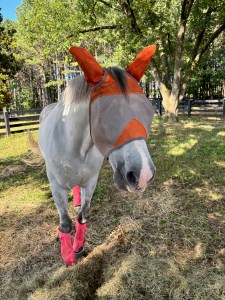
- Use fly masks: Fit horses with fly masks (with or without ear covers) to protect their faces and eyes.
- Provide fly sheets or boots: Use lightweight fly sheets or leg wraps to shield horses from biting flies.
- Set up fly traps: Place sticky traps, bait traps, or UV traps in strategic locations away from horses.
- Consider feed-through fly control: Administer vet-approved supplements that prevent fly larvae development in manure.
- Check horses daily: Inspect for fly bites, skin irritation, or signs of discomfort caused by flies.
- Bathe regularly: Clean horses to remove sweat and dirt that attract flies.
- Treat wounds promptly: Clean and cover any cuts or sores to prevent flies from laying eggs in them.
- Monitor for fly-related diseases: Watch for symptoms of diseases like summer sores or conjunctivitis caused by flies.
- Introduce natural predators: Use parasitic wasps (fly predators) to target fly larvae in manure piles.
- Apply barn-safe insecticides: Use approved residual sprays on walls or surfaces where flies rest, following safety guidelines.
- Rotate pastures: Move horses to different pastures to disrupt fly breeding cycles.
- Start control early: Begin fly control measures in early spring before fly populations peak.
- Check equipment regularly: Inspect and replace fly traps, masks, or sheets as needed.
- Consult a veterinarian: Seek advice for persistent fly issues or to select safe, effective products.

 The Chill Barn